Ramps: A West Virginia Delicacy or so much more?
Ramps: The Little Wild Plant That Became a Big Part of West Virginia
There are foods you eat because you’re hungry. There are foods you eat because they’re delicious. And then there are foods that mean something. In West Virginia, ramps are one of those foods.
If you’ve never eaten one, here’s the first thing you need to know: You will probably smell it before you see it. Ramps have a powerful combination of onion and garlic aromas. They’re not subtle. They’re not shy. And every spring, people all over West Virginia go looking for them.
Not because they’re rare. Not because they’re expensive. But because ramp season means spring has arrived. And in the mountains, that matters.
So What Exactly Is a Ramp?
Ramps are a wild member of the onion family, scientifically known as Allium tricoccum. They’re native to eastern North America and grow particularly well in rich, moist mountain forests. Some folks refer to them as a cross between garlic and a wild leek.
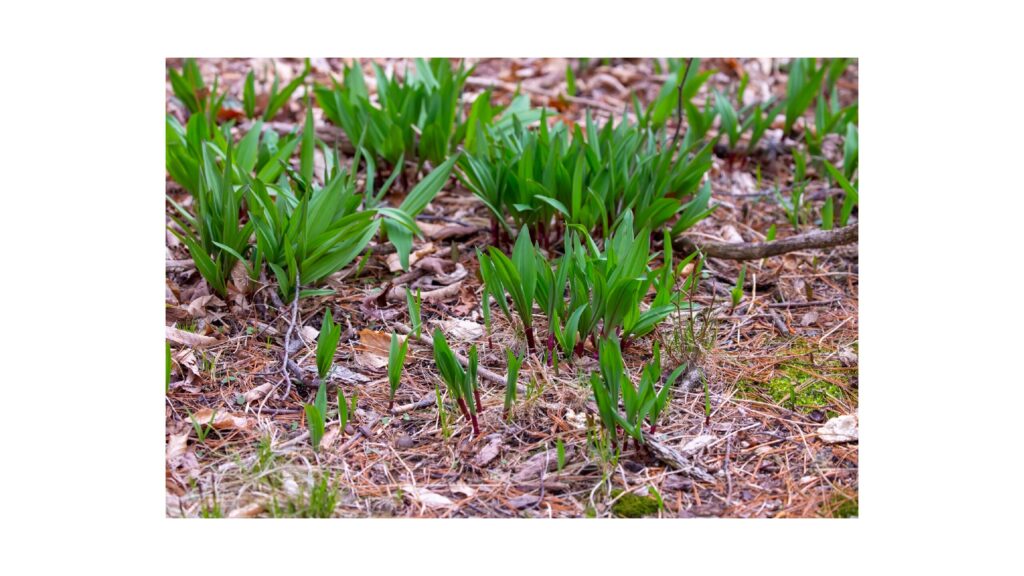
In West Virginia, extensive ramp beds are found in the state’s mountain woodlands, including the Monongahela National Forest. They have broad green leaves, a slender stem with some pink tint, and a small white bulb. And they’re a spring plant.
They emerge early. The leaves eventually disappear before the plant flowers in June and July. That short season is part of what makes ramps special. You can’t simply decide in August that you’re in the mood for ramps. Ramp season has its own calendar.
Before There Were Grocery Stores
This is where the ramp story gets much more interesting. Imagine an Appalachian winter generations ago. There wasn’t a supermarket where you could walk in and buy strawberries in January. Fresh vegetables were limited. Families relied heavily on what they had preserved, stored or could find. Then, sometime in early spring, the forest floor started turning green.
Ramps were one of the first fresh foods to appear.
The West Virginia Encyclopedia notes that ramps were valued by early inhabitants of the Southern Appalachian Mountains because they provided fresh food after long winters when fresh fruits and vegetables were scarce. So when people went into the woods looking for ramps, they weren’t just looking for something to put on the dinner table. They were finding one of the first signs that winter was finally giving up. That’s a very different relationship with food than most of us have today.
Ramps and the Knowledge of the Forest
There’s another part of this story that deserves attention. Knowing where to find food in the forest is knowledge. It requires knowing the plants. Knowing the seasons. Knowing what grows where. Knowing which plants are safe. Knowing how much to harvest. And knowing how to use them once you get them home.
West Virginia has a long tradition of gathering wild plants, herbs, berries, mushrooms, nuts and other foods. The West Virginia Encyclopedia describes gathering as a practice rooted in ecological and historical knowledge passed between generations.
That’s important because the story of ramps isn’t simply: “Mountain people found a wild onion.” It’s really a story about people understanding their landscape. And that knowledge doesn’t appear overnight. It’s learned. It’s practiced. And it’s passed down from generation to generation. My husband’s family has lived for generations in central West Virginia. When I first met him, I had never heard of ramps, but found them fascinating. I don’t eat them (that takes a special kind of intestinal fortitude that I don’t possess) but I have prepared them, canned them, pickled them, and watch my husband pass down the love of them to our son.
The Whole Ramp Goes Into the Pot
One of the interesting things about traditional ramp cooking is that the whole plant can be used. The green leaves, the stem and the bulb.
The West Virginia Encyclopedia notes that ramps have traditionally been parboiled and eaten as a side dish, while the bulbs can also be eaten raw or used in place of onions.
And that’s where Appalachian cooking tends to make a lot of sense. You don’t waste the food. You use what you’ve got. Ramps might show up alongside potatoes, eggs, beans, bacon, cornbread or other simple foods. Nothing particularly fancy. Just good food made from what’s available.
Then Something Happened
People started gathering to eat them. And not just families. Communities. Ramp dinners became social events throughout West Virginia. The food brought people together. And eventually, those dinners became traditions in their own right. That’s one of the reasons I don’t think “West Virginia delicacy” quite captures what ramps mean. They’re a delicacy now. But historically, they were also: spring food, family food, community food, mountain food, and eventually festival food.
Welcome to Richwood
If you want to understand how seriously West Virginia takes ramps, look at Richwood.
Richwood’s Feast of the Ramson has been held annually since 1938. The West Virginia Encyclopedia calls it the state’s oldest and longest-running ramp celebration. That’s nearly nine decades of people gathering around the same spring plant. Think about that. People who attended the festival as children could later bring their own children. Then grandchildren. The food stays recognizable even as the people around the table change. Richwood even embraces the nickname “Ramp Capital of the World.” And honestly? You don’t get a nickname like that unless you’re pretty serious about your ramps.
Why Do Ramps Smell So Strong?
Let’s address it. Because eventually someone is going to ask. Why do ramps smell like that?! Ramps contain sulfur-containing compounds that give them their strong onion-and-garlic aroma. And that aroma can linger. The reputation became so strong that ramp breath became part of the culture surrounding the food.
West Virginia plant lore even records stories of ramp eaters being sent outside because of the odor. My dad grew up in Maryland and occasionally someone would bring his father some ramps. He tells a story about being sent home from school because the odor was so strong. So if you’re planning to attend a ramp dinner with your spouse…maybe don’t make your romantic dinner reservation immediately afterward. I’m just trying to save marriages here.
The “Spring Tonic”
You may also hear ramps described as a spring tonic. Historically, people associated the first spring greens with restoring the body after winter. The West Virginia Encyclopedia notes traditional beliefs that ramps could prevent colds and cleanse the blood. But here’s where we should separate tradition from modern medical claims. Ramps are nutritious and contain vitamin C and other nutrients. That’s different from saying they medically “detox” or “cleanse” your body. The historical belief is fascinating, but we can’t turn it into a medical promise.
And Then Chefs Discovered Ramps
At some point, ramps escaped the Appalachian kitchen. Chefs started putting them into modern dishes. Ramp butter. Ramp pesto. Ramp pasta. Ramp soup. Ramp pizza. Ramp sauces. And probably approximately 900 other things.
Suddenly, something that had long been associated with rural Appalachian foodways was showing up on restaurant menus far beyond West Virginia. I even saw some at a farmer’s market several years ago in Union Square in New York City!
And that created an interesting reversal.
Something that had once been seen primarily as a local, traditional food became a seasonal culinary ingredient.
But here is the important part: The fancy restaurant didn’t invent the ramp.
The mountain folk were already cooking with it.
The Smell May Be Strong. The Tradition Is Stronger.
That’s the part I think gets lost. It’s easy to make ramps into a joke. “Haha, they stink.” And yes, they do. But there’s something much more meaningful underneath that smell. There’s a story of people coming through winter. There’s knowledge of the forest. There’s food gathered by hand. There’s a tradition passed between generations. There’s a community sitting down together. And there’s a tiny plant announcing: Spring is back.
But Please Don’t Treat the Forest Like a Grocery Store
If you’re inspired to go hunting for ramps yourself, slow down. First, make sure you know what you’re looking at. Second, know where you are. Third, know the rules for harvesting on that land. And fourth: Don’t take everything you find. Honestly I think you might be hard pressed to get a local to tell you where they are. You can definitely find out where you can buy some at a roadside stand, or which town has a ramp supper going on this weekend, but their locations are akin to people sharing the locations of the coveted morel mushroom in Pennsylvania and beyond.
Ramps are perennial plants, taking roughly seven years to mature, and sustainable harvesting matters if we want those patches to continue producing year after year. The broader tradition of gathering depends on understanding the relationship between people, plants and the land.
The goal isn’t: “How many can I get?” It’s: “How do I leave enough for next year?” That’s a much better way to think about foraging.
A Ramp Dinner Is More Than Dinner
This is what I would tell someone visiting West Virginia for the first time. Don’t just look for the big attractions. Find a local event. Go to a ramp dinner. Sit down. Eat something you’ve never tried. Talk to somebody who has been going for years. Because you may learn more about West Virginia sitting at a community dinner than you would from reading ten travel brochures.
Food tells stories. And ramps tell one of West Virginia’s best.
The Chasing 70 Ramp Challenge
If you’re traveling through West Virginia during ramp season (early spring), here’s your assignment:
Try them. Maybe you love them. Maybe you hate them. Maybe you decide they taste like someone put garlic on a lawnmower (yes, that’s me). That’s okay. But try them. And if you go to a ramp festival, don’t just eat and leave. Ask somebody about the tradition. Ask how their family cooks ramps. Ask how long they’ve been coming. Because everybody has an opinion.
AnRamps: The Little Wild Plant That Became a Big Part of West Virginia
There are foods you eat because you’re hungry. There are foods you eat because they’re delicious. And then there are foods that mean something. In West Virginia, ramps are one of those foods.
If you’ve never eaten one, here’s the first thing you need to know: You will probably smell it before you see it. Ramps have a powerful combination of onion and garlic aromas. They’re not subtle. They’re not shy. And every spring, people all over West Virginia go looking for them.
Not because they’re rare. Not because they’re expensive. But because ramp season means spring has arrived. And in the mountains, that matters.
So What Exactly Is a Ramp?
Ramps are a wild member of the onion family, scientifically known as Allium tricoccum. They’re native to eastern North America and grow particularly well in rich, moist mountain forests. Some folks refer to them as a cross between garlic and a wild leek.
In West Virginia, extensive ramp beds are found in the state’s mountain woodlands, including the Monongahela National Forest. They have broad green leaves, a slender stem with some pink tint, and a small white bulb. And they’re a spring plant.
They emerge early. The leaves eventually disappear before the plant flowers in June and July. That short season is part of what makes ramps special. You can’t simply decide in August that you’re in the mood for ramps. Ramp season has its own calendar.
Before There Were Grocery Stores
This is where the ramp story gets much more interesting. Imagine an Appalachian winter generations ago. There wasn’t a supermarket where you could walk in and buy strawberries in January. Fresh vegetables were limited. Families relied heavily on what they had preserved, stored or could find. Then, sometime in early spring, the forest floor started turning green.
Ramps were one of the first fresh foods to appear.
The West Virginia Encyclopedia notes that ramps were valued by early inhabitants of the Southern Appalachian Mountains because they provided fresh food after long winters when fresh fruits and vegetables were scarce. So when people went into the woods looking for ramps, they weren’t just looking for something to put on the dinner table. They were finding one of the first signs that winter was finally giving up. That’s a very different relationship with food than most of us have today.
Ramps and the Knowledge of the Forest
There’s another part of this story that deserves attention. Knowing where to find food in the forest is knowledge. It requires knowing the plants. Knowing the seasons. Knowing what grows where. Knowing which plants are safe. Knowing how much to harvest. And knowing how to use them once you get them home.
West Virginia has a long tradition of gathering wild plants, herbs, berries, mushrooms, nuts and other foods. The West Virginia Encyclopedia describes gathering as a practice rooted in ecological and historical knowledge passed between generations.
That’s important because the story of ramps isn’t simply: “Mountain people found a wild onion.” It’s really a story about people understanding their landscape. And that knowledge doesn’t appear overnight. It’s learned. It’s practiced. And it’s passed down from generation to generation. My husband’s family has lived for generations in central West Virginia. When I first met him, I had never heard of ramps, but found them fascinating. I don’t eat them (that takes a special kind of intestinal fortitude that I don’t possess) but I have prepared them, canned them, pickled them, and watch my husband pass down the love of them to our son.
The Whole Ramp Goes Into the Pot
One of the interesting things about traditional ramp cooking is that the whole plant can be used. The green leaves, the stem and the bulb.
The West Virginia Encyclopedia notes that ramps have traditionally been parboiled and eaten as a side dish, while the bulbs can also be eaten raw or used in place of onions.
And that’s where Appalachian cooking tends to make a lot of sense. You don’t waste the food. You use what you’ve got. Ramps might show up alongside potatoes, eggs, beans, bacon, cornbread or other simple foods. Nothing particularly fancy. Just good food made from what’s available.
Then Something Happened
People started gathering to eat them. And not just families. Communities. Ramp dinners became social events throughout West Virginia. The food brought people together. And eventually, those dinners became traditions in their own right. That’s one of the reasons I don’t think “West Virginia delicacy” quite captures what ramps mean. They’re a delicacy now. But historically, they were also: spring food, family food, community food, mountain food, and eventually festival food.
Welcome to Richwood
If you want to understand how seriously West Virginia takes ramps, look at Richwood.
Richwood’s Feast of the Ramson has been held annually since 1938. The West Virginia Encyclopedia calls it the state’s oldest and longest-running ramp celebration. That’s nearly nine decades of people gathering around the same spring plant. Think about that. People who attended the festival as children could later bring their own children. Then grandchildren. The food stays recognizable even as the people around the table change. Richwood even embraces the nickname “Ramp Capital of the World.” And honestly? You don’t get a nickname like that unless you’re pretty serious about your ramps.
Why Do Ramps Smell So Strong?
Let’s address it. Because eventually someone is going to ask. Why do ramps smell like that?! Ramps contain sulfur-containing compounds that give them their strong onion-and-garlic aroma. And that aroma can linger. The reputation became so strong that ramp breath became part of the culture surrounding the food.
West Virginia plant lore even records stories of ramp eaters being sent outside because of the odor. My dad grew up in Maryland and occasionally someone would bring his father some ramps. He tells a story about being sent home from school because the odor was so strong. So if you’re planning to attend a ramp dinner with your spouse…maybe don’t make your romantic dinner reservation immediately afterward. I’m just trying to save marriages here.
The “Spring Tonic”
You may also hear ramps described as a spring tonic. Historically, people associated the first spring greens with restoring the body after winter. The West Virginia Encyclopedia notes traditional beliefs that ramps could prevent colds and cleanse the blood. But here’s where we should separate tradition from modern medical claims. Ramps are nutritious and contain vitamin C and other nutrients. That’s different from saying they medically “detox” or “cleanse” your body. The historical belief is fascinating, but we can’t turn it into a medical promise.
And Then Chefs Discovered Ramps
At some point, ramps escaped the Appalachian kitchen. Chefs started putting them into modern dishes. Ramp butter. Ramp pesto. Ramp pasta. Ramp soup. Ramp pizza. Ramp sauces. And probably approximately 900 other things.
Suddenly, something that had long been associated with rural Appalachian foodways was showing up on restaurant menus far beyond West Virginia. I even saw some at a farmer’s market several years ago in Union Square in New York City!
And that created an interesting reversal.
Something that had once been seen primarily as a local, traditional food became a seasonal culinary ingredient.
But here is the important part: The fancy restaurant didn’t invent the ramp.
The mountain folk were already cooking with it.
The Smell May Be Strong. The Tradition Is Stronger.
That’s the part I think gets lost. It’s easy to make ramps into a joke. “Haha, they stink.” And yes, they do. But there’s something much more meaningful underneath that smell. There’s a story of people coming through winter. There’s knowledge of the forest. There’s food gathered by hand. There’s a tradition passed between generations. There’s a community sitting down together. And there’s a tiny plant announcing: Spring is back.
But Please Don’t Treat the Forest Like a Grocery Store
If you’re inspired to go hunting for ramps yourself, slow down. First, make sure you know what you’re looking at. Second, know where you are. Third, know the rules for harvesting on that land. And fourth: Don’t take everything you find. Honestly I think you might be hard pressed to get a local to tell you where they are. You can definitely find out where you can buy some at a roadside stand, or which town has a ramp supper going on this weekend, but their locations are akin to people sharing the locations of the coveted morel mushroom in Pennsylvania and beyond.
Ramps are perennial plants, taking roughly seven years to mature, and sustainable harvesting matters if we want those patches to continue producing year after year. The broader tradition of gathering depends on understanding the relationship between people, plants and the land.
The goal isn’t: “How many can I get?” It’s: “How do I leave enough for next year?” That’s a much better way to think about foraging.
A Ramp Dinner Is More Than Dinner
This is what I would tell someone visiting West Virginia for the first time. Don’t just look for the big attractions. Find a local event. Go to a ramp dinner. Sit down. Eat something you’ve never tried. Talk to somebody who has been going for years. Because you may learn more about West Virginia sitting at a community dinner than you would from reading ten travel brochures.
Food tells stories. And ramps tell one of West Virginia’s best.
The Chasing 70 Ramp Challenge
If you’re traveling through West Virginia during ramp season (early spring), here’s your assignment:
Try them. Maybe you love them. Maybe you hate them. Maybe you decide they taste like someone put garlic on a lawnmower (yes, that’s me). That’s okay. But try them. And if you go to a ramp festival, don’t just eat and leave. Ask somebody about the tradition. Ask how their family cooks ramps. Ask how long they’ve been coming. Because everybody has an opinion.
And that’s part of the fun.